
Consumer tips account for 37.7% of disguised-merchant busts so far this year
Informants receive 100,000-won reward per confirmed case
Unknowing cardholders risk losing year-end income-tax deductions
Card firms' monitoring systems have limits; consumer reports fill the gap
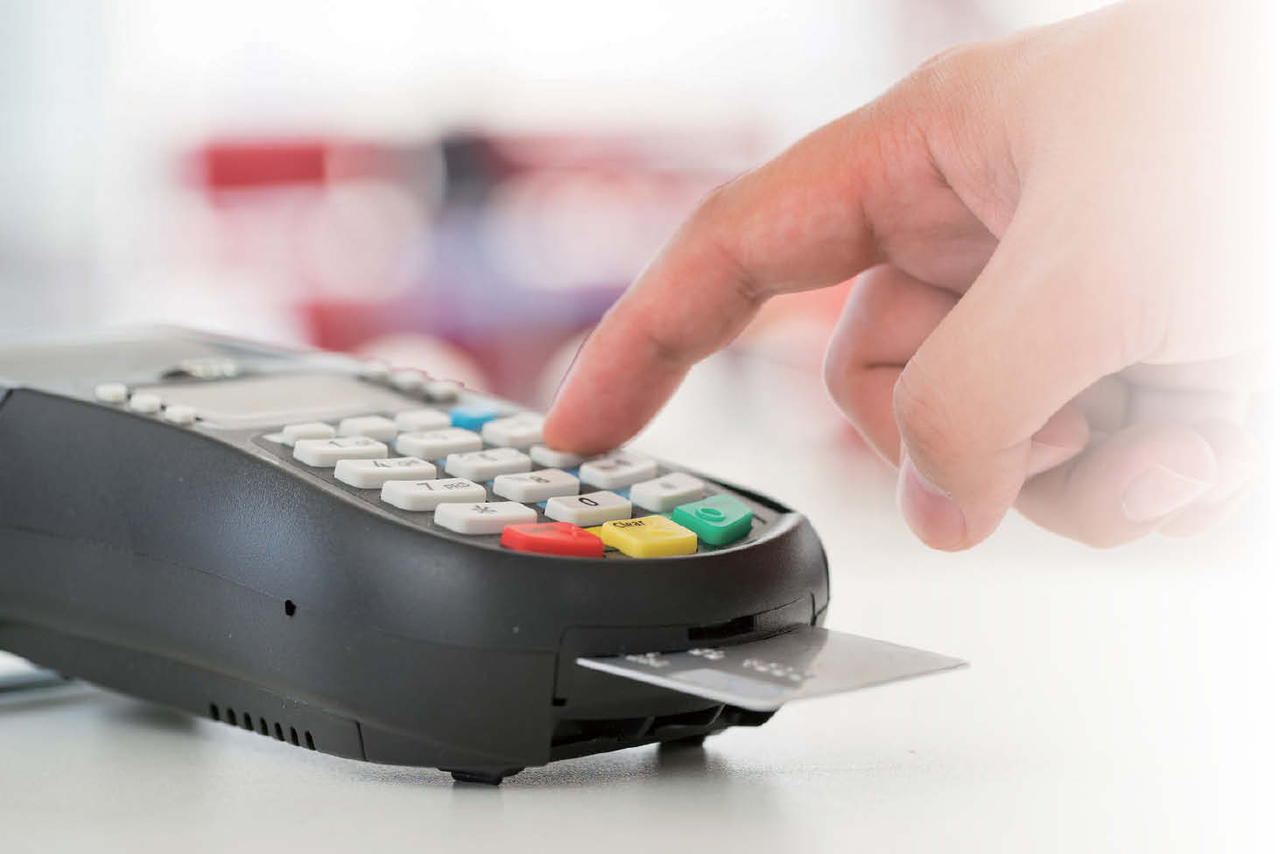
A 30-year-old surnamed Kang noticed a line on a card receipt last year: "If the merchant name or address differs from the actual business, report it for a 100,000-won ($75) reward." A few days later, she spotted a different merchant name on a receipt from a restaurant she had just visited and filed a disguised-merchant report through the Credit Finance Association's website. About two months later, she received 78,000 won after a 22 percent tax withholding.
The share of so-called disguised merchants — businesses that process card payments under a different operator's name — being caught through consumer tips is rising.
According to data submitted to the National Assembly's Finance and Economy Planning Committee by the National Tax Service and obtained by People Power Party lawmaker Kang Min-guk, a total of 15,714 people were caught running disguised credit-card merchants from 2017 through August this year. Last year alone, 1,207 people were identified, and 713 more were caught in the first eight months of this year.
Among all those caught, the share identified through consumer tips rose from 33.4 percent in 2023 to 37.1 percent last year, and climbed further to 37.7 percent in the first eight months of this year.
The reward program is one mechanism designed to encourage voluntary consumer reporting. Reports can be filed through the National Tax Service's Hometax portal or the Credit Finance Association's website by submitting the actual business name, the merchant name shown on the receipt, the transaction date and supporting documents such as the receipt itself.
Processing a disguised-merchant report takes roughly three to four months. Once the Credit Finance Association receives a report, the National Tax Service and the relevant district tax office investigate to confirm whether the merchant is in fact disguised. When the National Tax Service makes a final determination and notifies the card company, the company immediately terminates its contract with that merchant. The first person to file a report receives 100,000 won per case, minus 22 percent in taxes.
Not every mismatch between a receipt's business name and the actual store name signals a disguised merchant. Legitimate cases include a store inside a department store billing under the department store's name, a branch issuing receipts under the head office's name, or a well-known brand name being replaced on the receipt by the operating company's legal name. The same applies when a business has moved but its card terminal information has not yet been updated.
Consumers who unknowingly pay at a disguised merchant can face real consequences. According to the National Tax Service, payments made at disguised merchants may be excluded from the credit-card income-tax deduction available to salaried workers. Even if a consumer actually purchased goods or used a service and paid the card bill in full, the amount may not be deductible at year-end tax settlement.
Card companies operate screening systems to catch disguised merchants before they cause harm. Samsung, Hyundai, Shinhan, KB Kookmin and BC Card all verify business registration documents and conduct enrollment reviews when a merchant applies to join their networks. Some card companies also check whether a business is genuinely operating by reviewing photos of the interior and exterior of the premises.
After enrollment, card companies monitor transaction patterns through fraud detection systems to flag illegal activity. "Most card companies continue to monitor transaction patterns after a merchant joins and can identify suspicious transactions through unusual trading types or patterns associated with disguised merchants," a card company official said.
Card companies cannot, however, physically visit every merchant to verify operations on the ground. "There is a limit to how many merchants we can inspect in person, which means there are limits to how many disguised merchants we can catch," said an official in the credit finance industry. "Consumers can compare the actual business they visited with the merchant information on their receipt — that is why consumer tips complement what our detection systems cannot cover."
snsd@heraldcorp.com





