A 100-megawatt AI data center is projected to generate up to 3.5 trillion won in industrial output and thousands of jobs. South Korea's three major telecom carriers are pouring trillions of won into AI data center projects as the government designates the sector a top strategic industry.
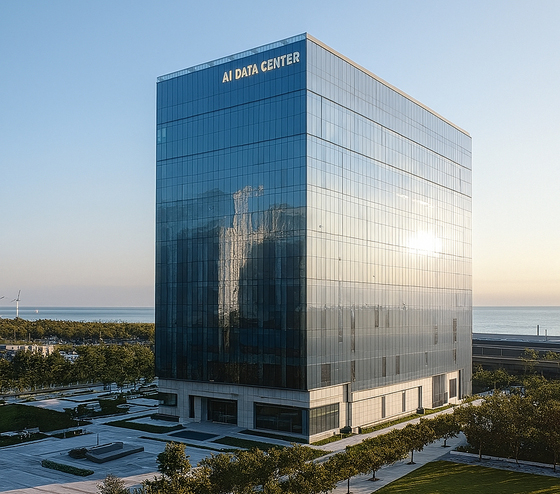
A single AI data center could generate up to 3.5 trillion won ($2.6 billion) in industrial output, according to a new projection.
Beyond direct employment at the facilities themselves, the ripple effects on indirect and derivative job creation are also expected to be substantial. The AI data center projects that South Korea's three major telecom carriers are pursuing as a core growth engine are seen as a catalyst for the broader national economy.
A single 100-megawatt AI data center could generate between 500 billion won and 3.5 trillion won in industrial output across the economy, according to a research response released Monday by the National Assembly Research Service through the office of Democratic Party of Korea lawmaker Hwang Jeong-a.
The analysis also projects that each direct hire at a data center will create an additional 2.5 to 4.5 indirect and derivative jobs, putting the employment multiplier at 3.5 to 5.5. Industry estimates put the minimum number of direct hires at a 1-gigawatt AI data center at 1,000.
Tax revenue is also expected to grow as AI data center projects expand. The National Assembly Budget Office projected that each gigawatt of AI data center capacity would generate 828.1 billion won in corporate tax and 82.8 billion won in local corporate income tax, based on an analysis of the tax effects of hyperscale AI data centers.
Those figures were estimated using the earnings of Elice Group, a company that operates a GPU-based AI cloud business.
When the production-inducing effects of construction and operation, job creation, and the clustering of related industries — including power, cooling and networking — are factored in, the economic spillover to local regions is expected to be considerable.
As South Korea's domestic mobile telecommunications market becomes increasingly saturated, the country's three major carriers are throwing their full weight behind AI data center development. The companies plan to make preemptive investments in what they see as critical infrastructure for the AI era, supporting the government's three flagship mega-projects.
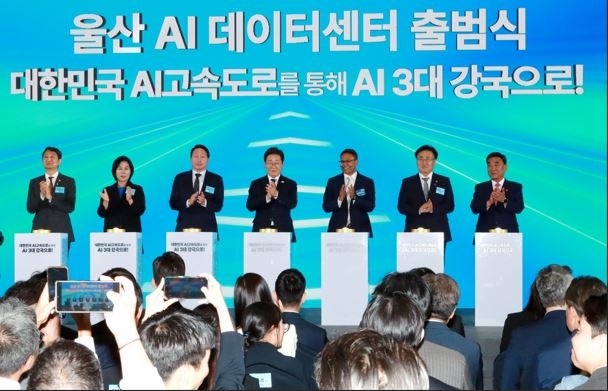
SK Telecom plans to build up to 15 gigawatts of data center capacity in stages — the largest such buildout in the country. The company aims to bring 5 gigawatts online by 2029 and complete the full 15-gigawatt AI data center network by 2035. It is currently partnering with Amazon Web Services to invest 7 trillion won in a 100-megawatt data center in Ulsan.
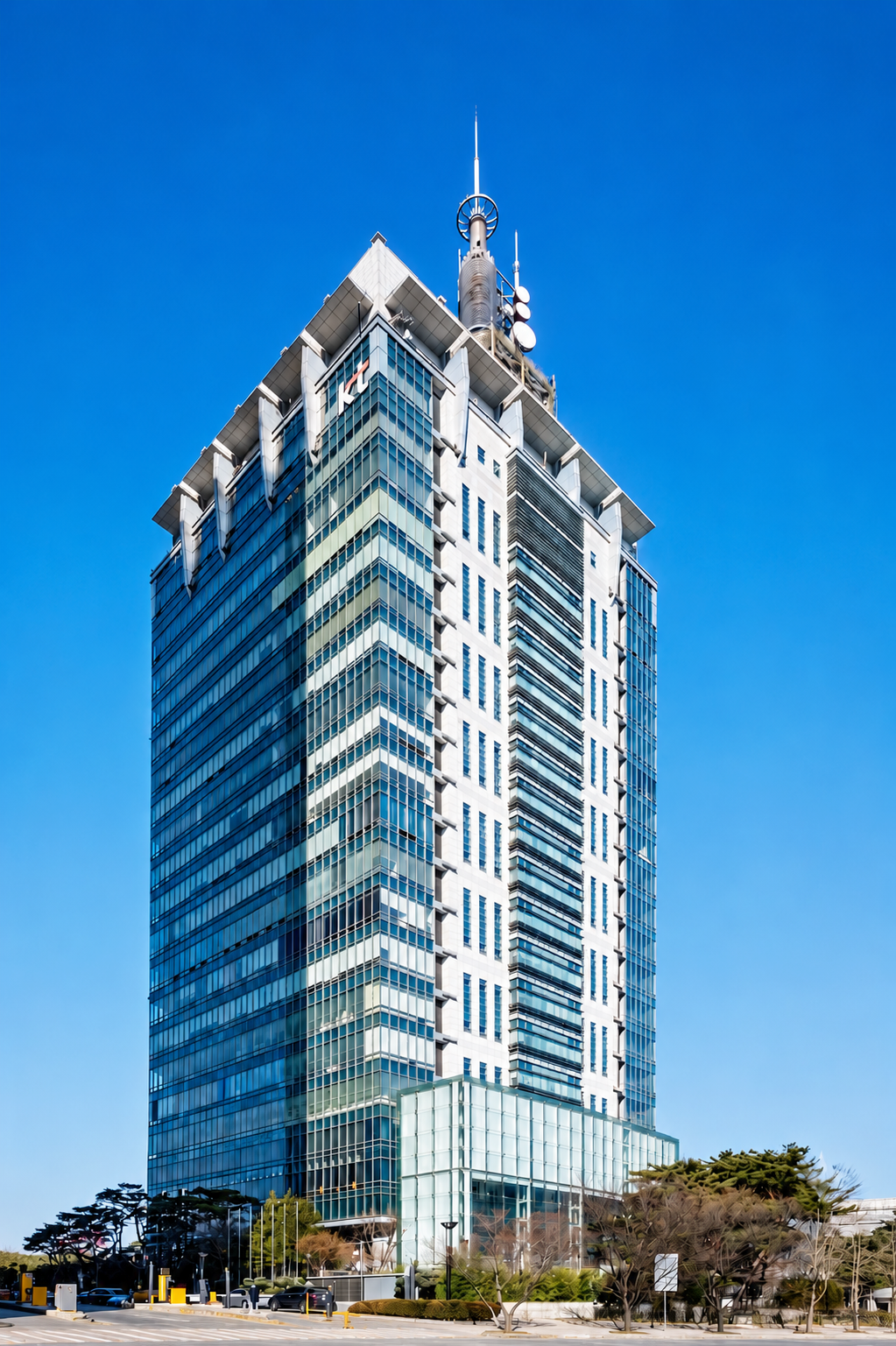
KT Corp will invest 5 trillion won to build 1 gigawatt of data center capacity over the next five years. Rather than owning land and buildings outright, the company is expected to adopt a design-build-operate model, collecting fees for its services. The plan is to meet large-scale training and inference demand while delivering an ultra-low-latency real-time inference environment nationwide.
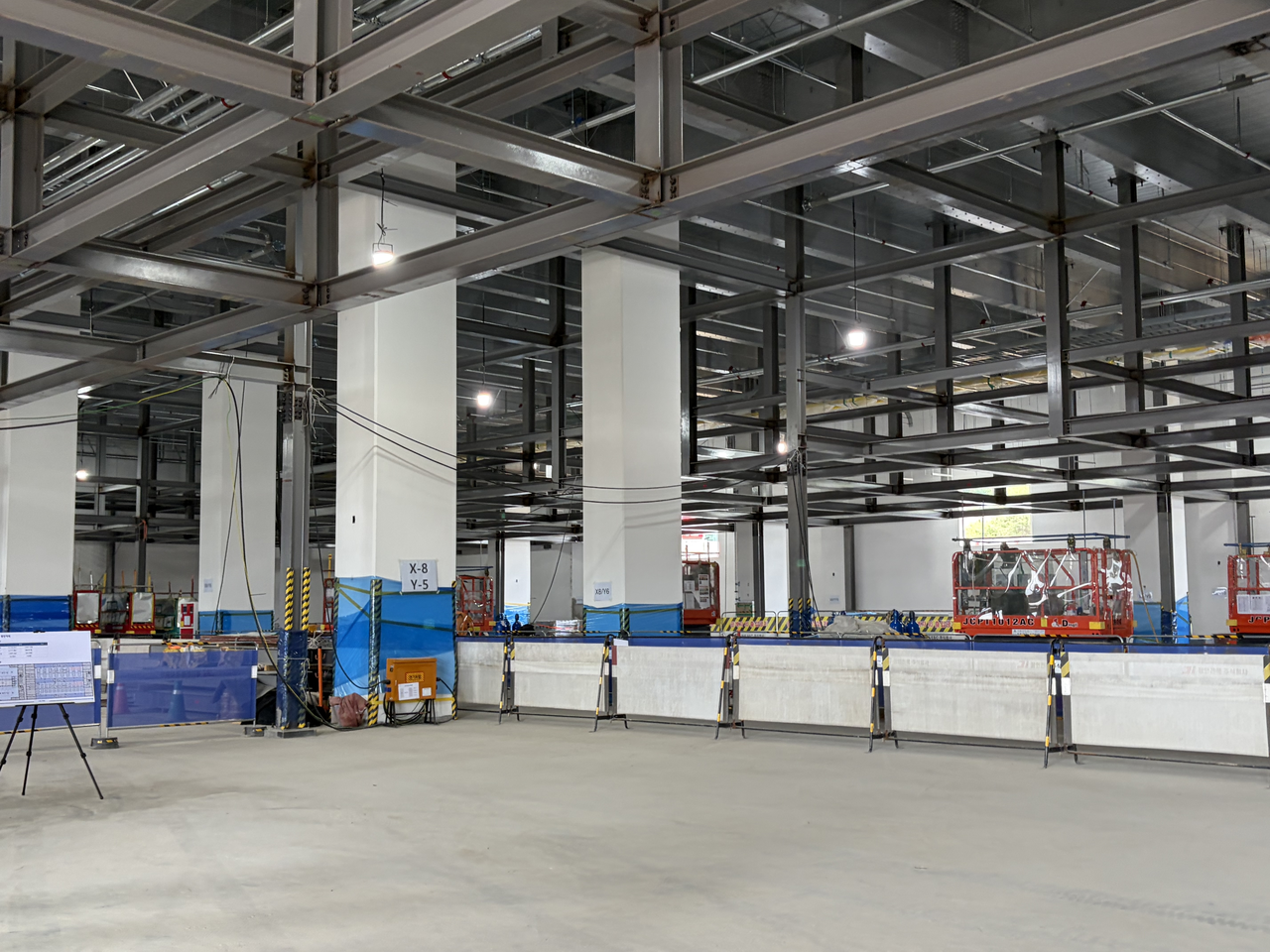
LG Uplus will invest 2 trillion won by 2030 to build more than 600 megawatts of data center capacity. The company is currently constructing a 200-megawatt hyperscale data center in Paju, Gyeonggi Province — the only location in the Greater Seoul area capable of supplying 200 megawatts of power.
LG Uplus said it will adopt a pre-assembled modular data center approach, cutting construction time by more than six months.
The government has designated AI data centers as one of three strategic industries alongside semiconductors and physical AI. Under the first phase of the plan, 8.4 gigawatts of AI data center capacity will be built in Ulsan, Donghae and Sejong, with ground-breaking set for 2028 and phased operations beginning in 2029. A second phase would add 10 gigawatts, expanding total capacity to 18.4 gigawatts by 2035.
"AI data centers are a future growth engine being pursued at the national level, alongside semiconductors and physical AI," an industry official said. "Efforts to secure the essential infrastructure South Korea needs to emerge as one of the world's top three AI powers will continue."
ko@heraldcorp.com