- Korea Institute of Industrial Technology hosts 2026 Korea Circular Economy Festival
- Event to address EU's four major environmental regulations, recycled-material certification
Tightening EU environmental regulations and restrictions on critical raw material exports are emerging as a new threat to South Korea's manufacturing sector. Experts say an urgent shift to a "circular economy" — recycling waste resources and expanding the use of recycled materials — is needed to sustain the export competitiveness of key industries such as automobiles, batteries and semiconductors.
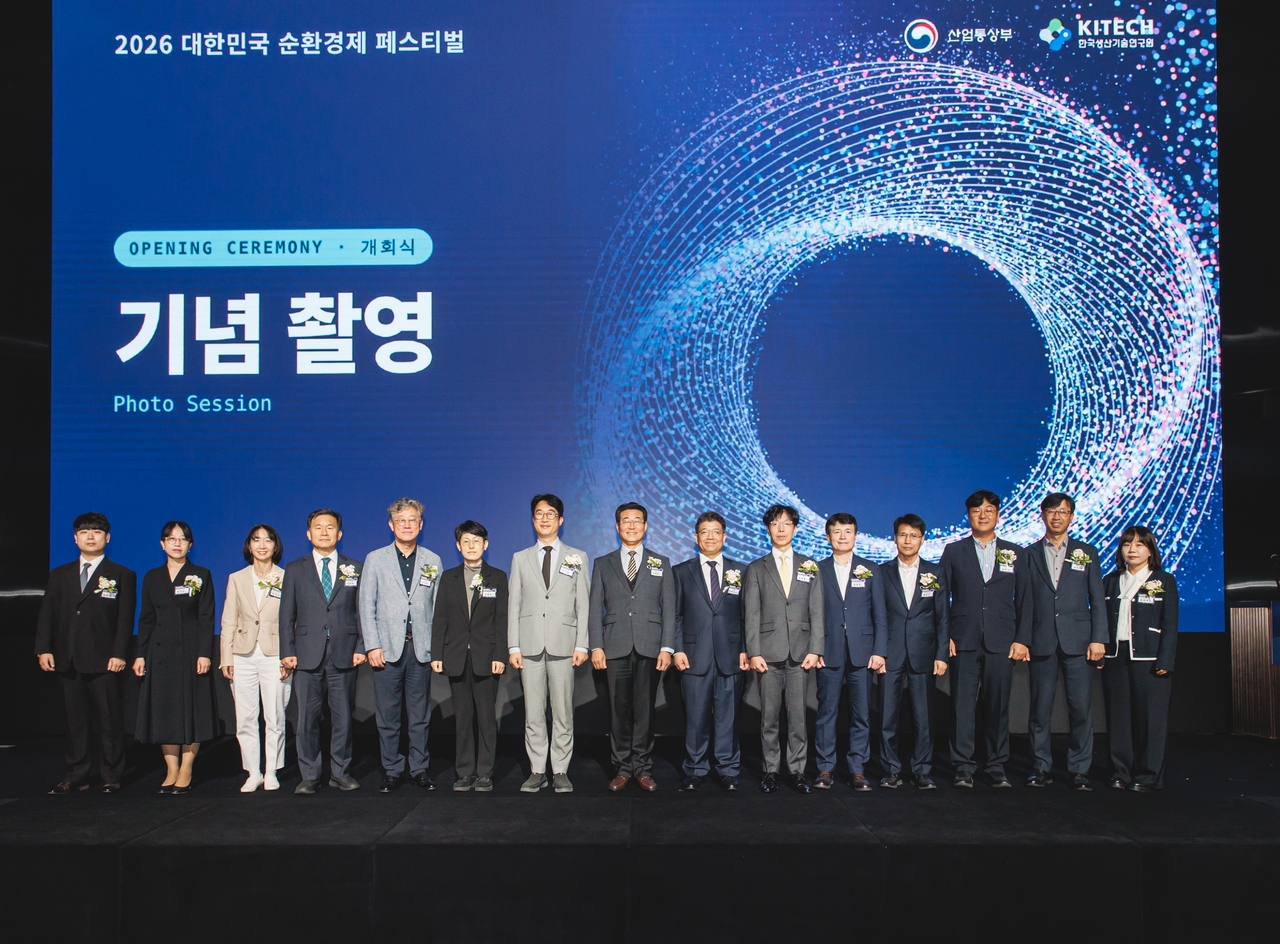
The Korea Institute of Industrial Technology announced it is hosting the 2026 Korea Circular Economy Festival at L Tower in Yangjae, Seoul, Monday through Tuesday.
Held under the theme "Resource Security Era: A New Global Supply Chain Built by the Circular Economy," the event brings together some 300 experts from major domestic industries — including automotive, semiconductor, petrochemical, robotics and electronics — as well as related institutions.
Uncertainty surrounding global raw material supply chains has been growing. According to the OECD, roughly 16 percent of global critical raw material trade between 2022 and 2024 was subject to one or more export restrictions.
Compounding the pressure, the EU has been tightening its environmental regulations. Through measures such as the Packaging and Packaging Waste Regulation and the End-of-Life Vehicles Regulation, the EU is pushing to phase in mandatory use of recycled materials in packaging and automobiles starting in 2030.
As a result, domestic companies now face little choice but to build new supply chains that secure recycled raw materials from the production stage and improve resource-use efficiency.
At the festival, KITECH will focus discussions on response strategies for South Korean industry regarding the EU's four major environmental regulations — covering ecodesign, batteries, end-of-life vehicles and packaging waste.
On the first day, a "Global Circular Supply Chain Conference" will share the latest supply chain policy and regulatory trends from major economies including the EU and China.
The event will also unveil the global supply chain cooperation agenda of the Circular Economy Alliance, a public-private consultative body led by KITECH, along with plans to introduce a resource efficiency rating system and a recycled-material certification scheme to help domestic companies navigate regulatory requirements.
On Tuesday, nine leading companies actively practicing circular economy principles will present case studies. The presentations will cover a range of business models, including robot remanufacturing, circular supply chain development for electronics, chemical recycling of waste plastics, conversion to eco-friendly raw materials, and PET and textile recycling.
KITECH supports domestic companies' transition to carbon neutrality and compliance with overseas environmental regulations through its National Cleaner Production Support Center, providing technology development, recycled-material certification and circular economy infrastructure.
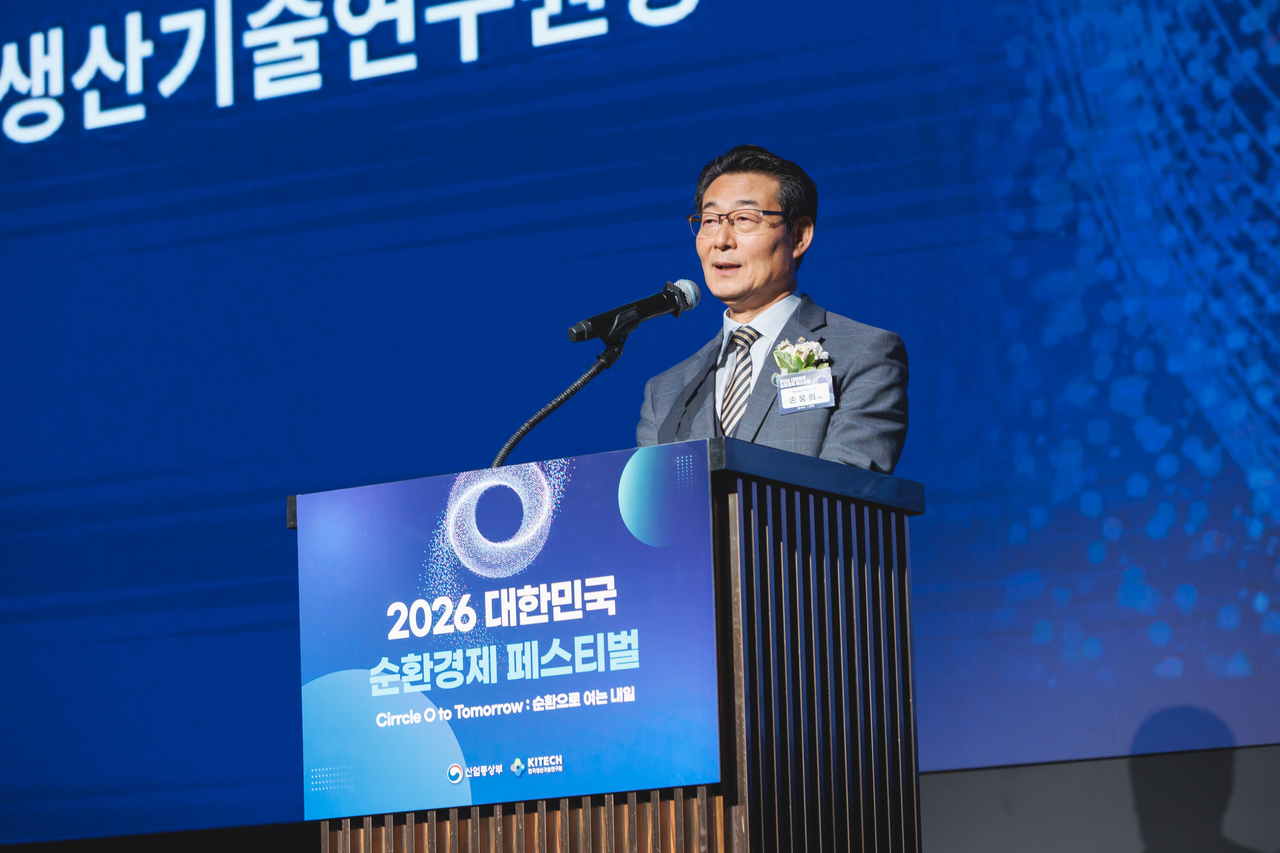
"The circular economy goes beyond eco-friendly activity — it is industrial competitiveness that addresses resource security, supply chain stability and overseas regulatory barriers," KITECH President Son Ung-hee said. "We will actively support efforts to resolve the regulatory burdens, recycled raw material procurement challenges and commercialization difficulties that companies face on the ground, so that South Korea's circular economy technologies and systems can earn recognition in global markets."
nbgkoo@heraldcorp.com