KDI analyzes 2,890 elderly care facilities; hospital days fall 0.49%
Nurse employment dropped 2.1% after 2018 minimum wage hike, nursing aide hiring rose 6.0%
Researchers propose mandating nurse staffing ratios, adjusting long-term care insurance fees
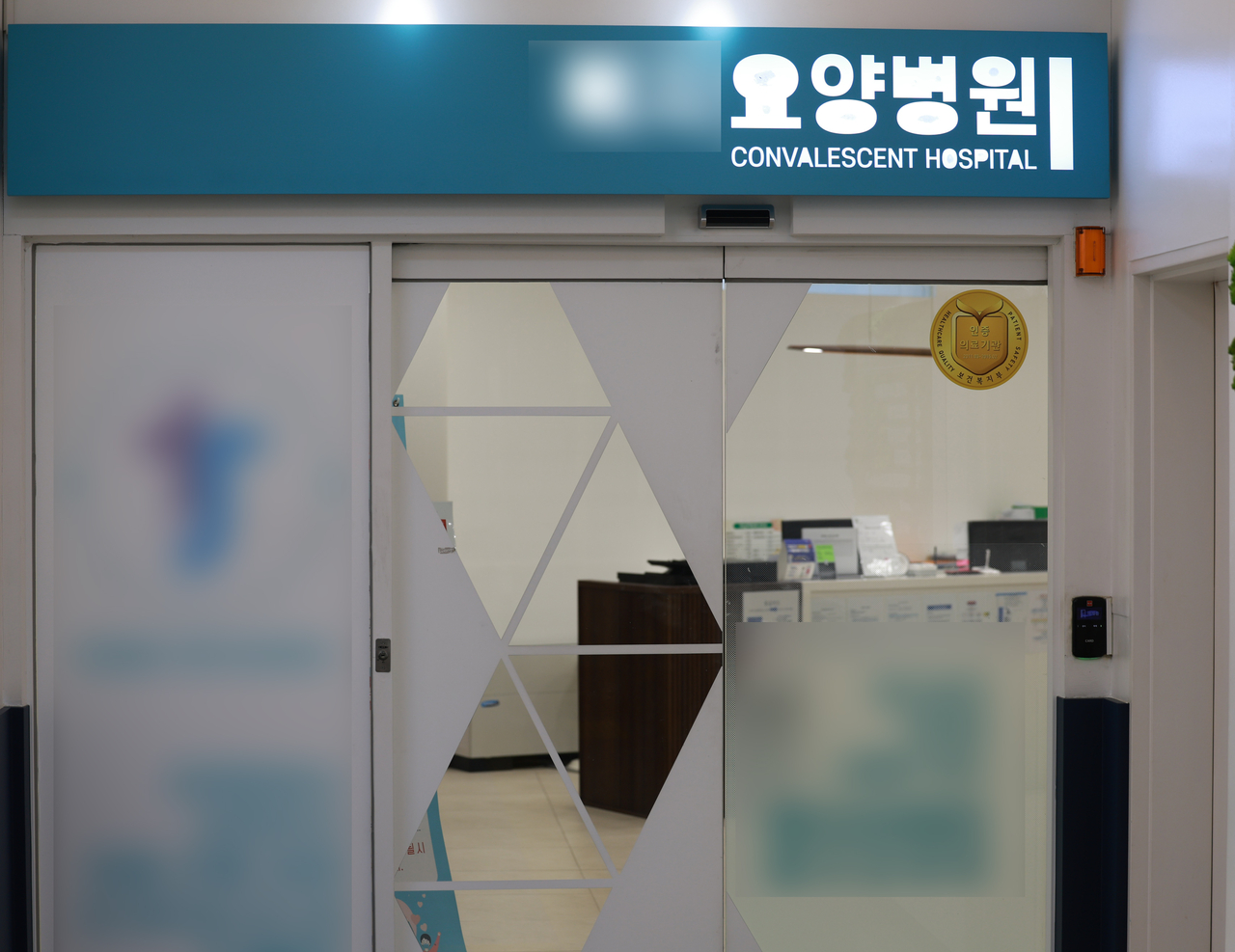
Increasing the share of registered nurses among all nursing staff at elderly care facilities by 10 percentage points reduces residents' national health insurance costs by 7.7%, according to new research. The shift also cut hospital visits for conditions closely tied to in-facility nursing care, such as pressure sores and urinary tract infections.
The study calls for revising staffing standards that make no distinction between registered nurses and nursing aides, and for reflecting the higher cost of hiring registered nurses in long-term care insurance reimbursement rates.
Kwon Jeong-hyeon, a research fellow at the Korea Development Institute, published the findings Tuesday in a KDI Focus report titled "Effects of Expanding Skilled Nursing Staff at Elderly Care Facilities and Policy Directions."
Kwon linked long-term care insurance billing records with national health insurance treatment data from 2,890 care facilities that operated continuously from January 2016 through December 2023, analyzing roughly 10.84 million monthly medical-use records at the individual resident level.
A 10-percentage-point increase in the nurse share was estimated to reduce residents' total outpatient and inpatient days by 0.33% and hospital days by 0.49%. Outpatient days fell 0.25%. By condition, medical visits related to pressure sores and urinary tract infections declined by about 0.1% and 0.03%, respectively.
Medical use for some chronic conditions, including diabetes, edged up slightly.
Kwon suggested that registered nurses may have monitored residents' health more closely, ensuring they received necessary treatment when needed.
The study also examined how staffing composition at care facilities changed around 2018, when the minimum wage rose 16.38 percent.
The minimum wage increase was estimated to have reduced nurse employment by 2.1 percent while nursing aide employment rose 6.0 percent. The share of registered nurses among all nursing staff fell by 4.25 percentage points.
Kwon interpreted the shift as facilities responding to higher overall labor costs — driven by rising wages for care workers — by hiring more nursing aides, who command relatively lower pay.
Care facilities with 30 or more residents are required to place one nurse or nursing aide for every 25 residents, with no distinction between the two. A 2024 study cited by Kwon found that registered nurses were employed at only 24.7 percent of all care facilities.
Kwon said policymakers should consider revising staffing standards to explicitly require a minimum proportion of registered nurses among nursing staff. Kwon pointed to a pilot program for specialized care units that requires at least 60 percent of nursing staff to be registered nurses as a potential model.
Kwon also proposed reimbursement rate supplements and employment subsidies to support the hiring of registered nurses, noting that even if long-term care insurance spending rises as a result, reductions in hospital admissions and outpatient visits could lower national health insurance expenditures.
"The cost-effectiveness of investing in stronger nursing functions needs to be assessed from a perspective that integrates long-term care insurance and national health insurance finances," Kwon said.
fact0514@heraldcorp.com