Special supply winners among overseas construction workers
Workers shun overseas postings amid calls that housing support cuts go too far
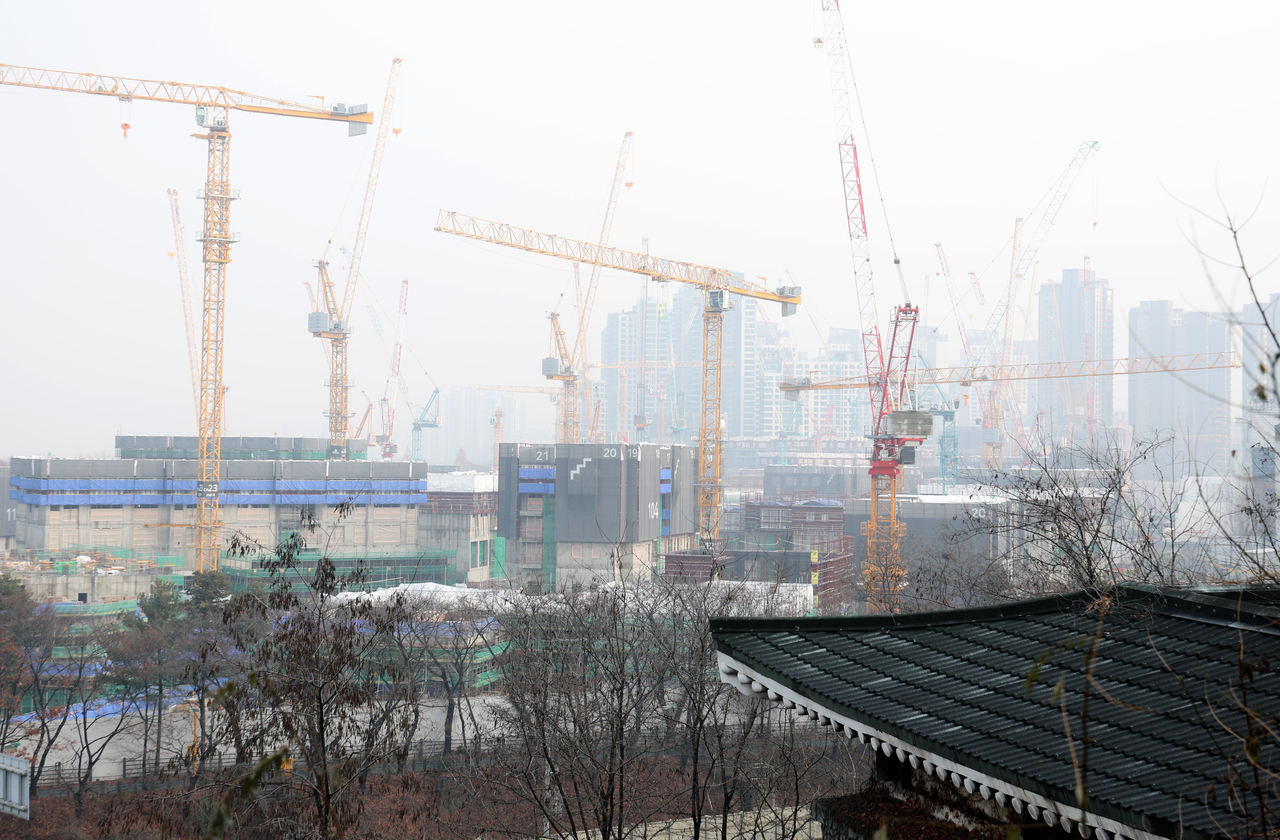
Even as the special housing supply program for overseas construction workers draws criticism as an excessive residential perk for a narrow group, nearly half of all allocated units have gone unfilled in practice. At some complexes where buyers stood to pocket hundreds of millions of won in instant gains — so-called lottery apartments — not a single person applied. Industry officials warn that if housing support is scaled back while workers are already reluctant to take overseas postings, Korean construction companies will find it even harder to staff their international projects.
An analysis of data obtained through the National Assembly's Land, Infrastructure and Transport Committee showed that of 25 special supply cases over the past four years, 12 — or 48 percent — ended with fewer applicants than allocated units. In nearly half of all participating projects, demand failed to fill the quota even when units had been set aside.
Shortfalls appeared even at complexes offering substantial potential gains. Yeongtongjaicentral Park in Yeongtong-gu, Suwon, Gyeonggi Province, carries a current market price of about 1.63 billion won ($1.21 million) for an exclusive use area of 85 square meters, against a pre-sale price of around 960 million won — a gap of roughly 700 million won. Yet none of the three units set aside under the overseas construction worker special supply drew a single applicant.
The situation was similar at Maegyo Station Paelluci, where the actual transaction price recently reached 1.14 billion won. Four units were allocated at a pre-sale price of around 730 million won, but only one person applied.
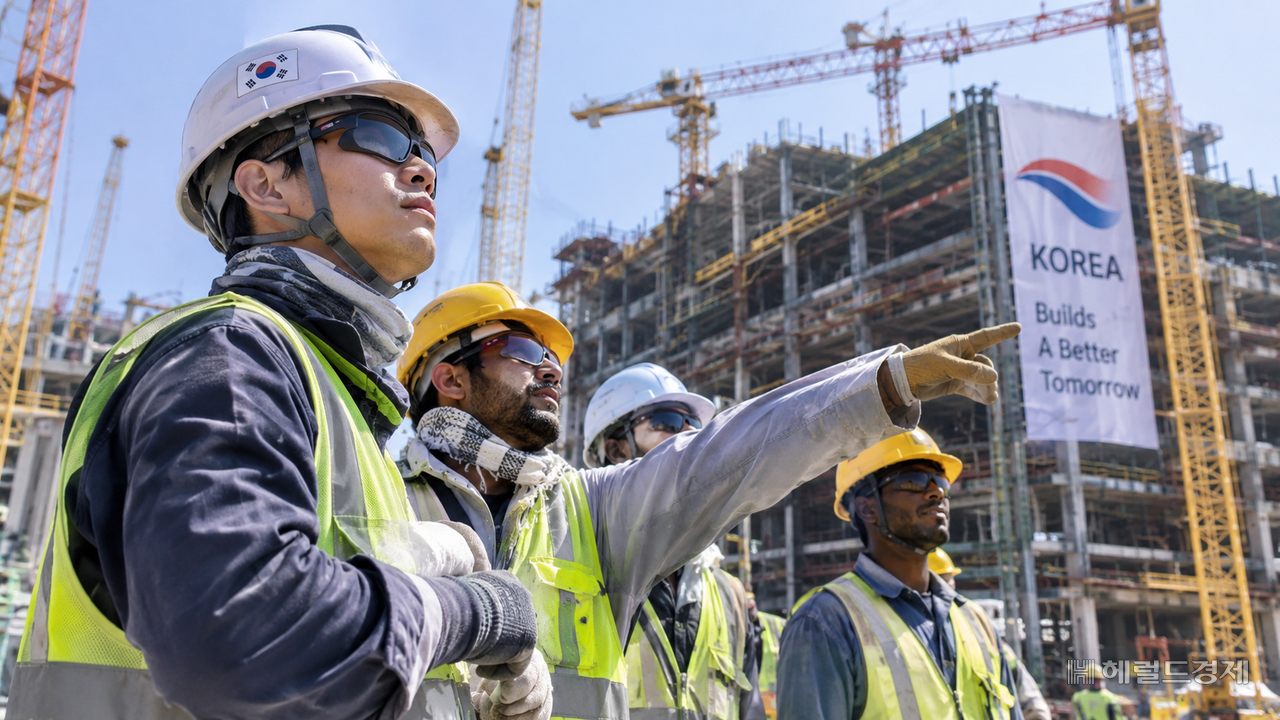
The special supply program for overseas construction workers was first introduced in 1978, during the Middle East construction boom, to boost morale among workers posted abroad and help stabilize their housing situation. The program lost momentum after confusion arose over the phrase "workers employed overseas for at least one year" in the existing rules, but was revived in 2023 when the Ministry of Land, Infrastructure and Transport revised the Housing Supply Rules to replace "employed" with "worked." The Korea Overseas Construction Association drew up detailed recommendation guidelines that September, putting the program back into full operation.
The widespread shortfalls are attributed to strict eligibility conditions: applicants must have worked at an overseas posting for at least one year within the past decade and must apply within two years of returning to Korea, and they must also demonstrate the financial capacity to fund the purchase. Available units must also match where the worker actually wants to live, further narrowing the pool of eligible applicants.
Some high-demand complexes in Seoul did record strong competition ratios, though these remained well below the figures seen in general pre-sales. Banpo Raemian Trini-One drew 38 applicants for eight units under the overseas worker special supply, a ratio of 4.75 to 1. Hillstate Isuyeok Central attracted 22 applicants for three units, a ratio of 7.3 to 1. Both figures stand in stark contrast to the general pre-sale competition ratios at the same complexes, which reached as high as 531 to 1 and 496 to 1, respectively.
Industry officials say the numbers show why the overseas construction worker special supply cannot be dismissed as a simple housing handout. Securing skilled professionals who can execute projects on the ground is as central to competitiveness in overseas construction as winning contracts in the first place. Yet growing numbers of employees are avoiding overseas postings because of long stints away from home, difficult working conditions and the strain of being separated from their families — making it increasingly hard for companies to fill their staffing needs.
Korean construction companies need a stable supply of skilled technical and site management personnel to remain competitive in overseas markets. Without adequate compensation and housing support as incentives for overseas assignments, companies will struggle to deploy their best people abroad — a constraint that could, over time, limit the expansion of Korean firms' international operations.
"When we ask construction companies to allocate special supply units for overseas workers these days, requests are often turned down," an official in the overseas construction industry said. "If housing stability support is also scaled back at a time when aversion to overseas postings is already deepening, it will become harder to attract top talent, and that could put real limits on Korean construction companies' ability to expand abroad."
hss@heraldcorp.com