Iran hardliners say US must not be given an 'easy way out'; nuclear concessions rejected
Beyond a ceasefire, Tehran eyes reshaping Middle East order — but Trump may hit back harder
In an era when a single word from Donald Trump can shake global markets, keeping up with the flood of Trump news is no easy task. The Herald Business international desk, on the move from 5 a.m., curates the essential Trump stories — from the US market close to the global asset moves that matter — and delivers them in a one-minute read. Subscribe at https://1day1trump.stibee.com/
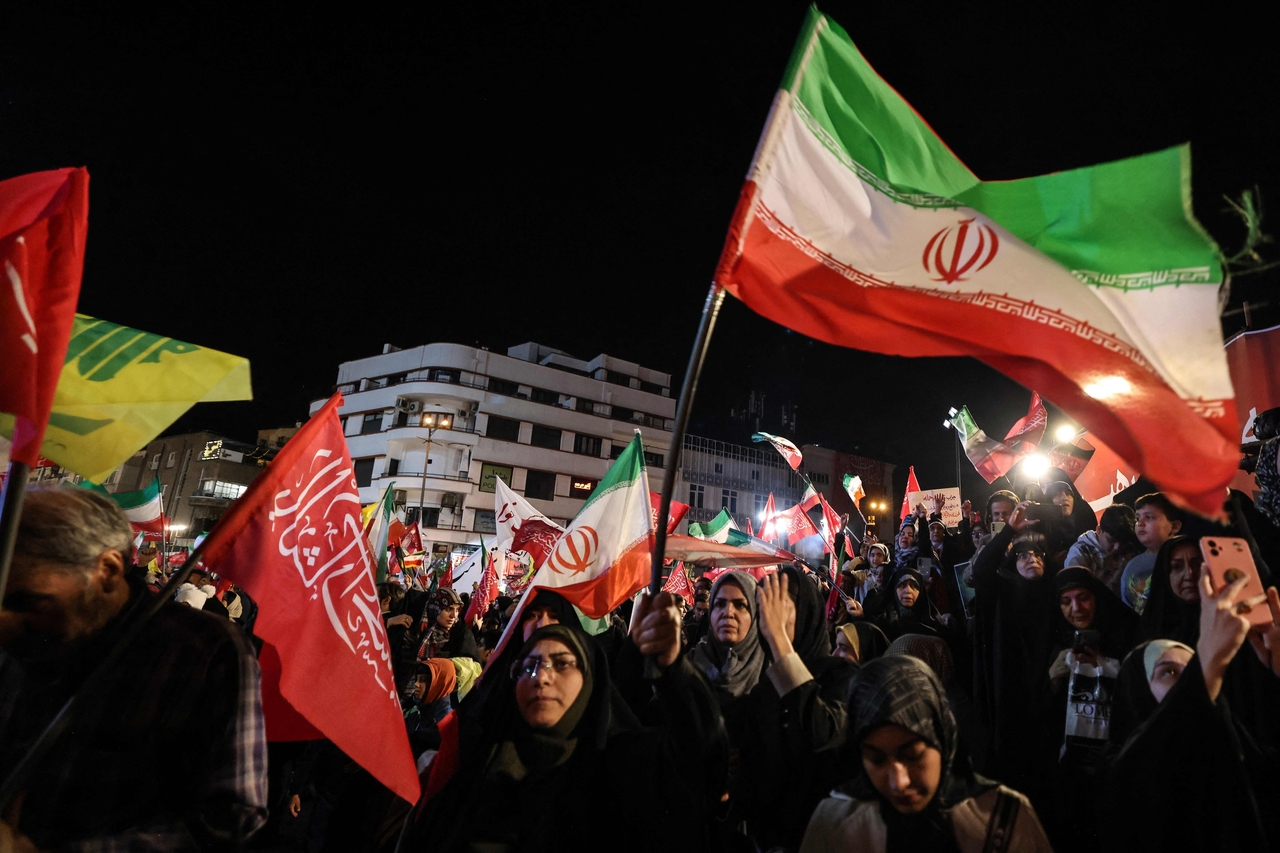
Iran's hardliners are treating Donald Trump's midterm election defeat as a strategic victory for Tehran, using it to demand greater concessions from the United States in ongoing end-of-war negotiations. With domestic opposition to the war growing inside the US, Iran's conservative camp sees little reason to back down at the table. Analysts warn that Iran's apparent ambition to go beyond ending the war and reshape the regional balance of power could make the negotiations significantly more complicated.
According to CNN, Iran's hard-line conservative factions have been publicly insisting that their negotiators must not yield any ground in talks with the US.
Supreme Leader Ayatollah Ali Khamenei reinforced that stance in a message released the day after the US midterm elections, cautioning against any sign of "even the slightest submission." Iranian hardliners have taken the statement as direct guidance to their country's negotiating delegation.
The hard-line Iranian outlet Raja News also argued in a recent column that Tehran should not offer Washington an "escape route" until the US has paid a price for its attacks on Iran — effectively opposing any deal that would allow Trump to quickly exit the war on favorable terms.
That hawkish mood has sharpened in the wake of the midterm results.
Trump acknowledged in a phone call with Fox News that the war in Iran had partly contributed to the Republican Party's midterm losses. Vice President JD Vance went further, saying, "The reason we lost is the war."
Iran's conservative camp has read those remarks as a signal that US resolve to continue the war is weakening — and as confirmation that their hard-line strategy against Washington has been working.
Hamidreza Azizi, an Iran expert at the International Crisis Group, said the Iranian leadership views the recent election results as vindication of its approach toward the US. "As a result, their position on the terms of any agreement with the United States is likely to harden further," Azizi said.
Azizi added that while Trump needs to secure concessions on Iran's nuclear program to deflect domestic political backlash, Tehran has concluded it has no reason to offer any.
Iran is therefore expected to dig in further on its existing demand that the US take unilateral steps before any end-of-war agreement can be reached.
Some analysts, however, suggest that behind the tough rhetoric, Iran's leadership is quietly seeking a deal that ends the war while expanding Tehran's influence across the Middle East.
Sina Toossi, an Iran expert at the Center for International Policy, said Iran is trying to build a new regional order in which the US and Israel cannot isolate or strike Iran without paying an enormous cost.
"Iran wants its neighbors to acknowledge that they cannot rely solely on US military power for their security, and that any sustainable regional security arrangement must reflect Iran's interests," Toossi said.
Khamenei himself said in a recent message that the war had opened a "bright and hopeful dawn" and was laying "the foundation of a new world order."
The emerging interpretation is that Iran intends to use the end-of-war negotiations not merely to stop the fighting but to restructure the security order across the Middle East.
The risk is that the higher Iran sets its demands, the harder a deal with the US becomes.
Trump, politically weakened by the midterm losses, could respond by escalating military pressure rather than offering concessions.
The US has carried out a series of airstrikes on Qeshm Island, a strategically important Iranian territory. On Thursday, Trump warned, "I don't want to destroy the rest of Iran if I can help it — but maybe I'll have to."
CNN noted that as Iran seeks to leverage the end-of-war talks to shift the regional balance of power, Trump may also feel compelled to project strength abroad following his electoral setback — raising the prospect of a direct collision between the two sides' positions.
sjy@heraldcorp.com