Infants with vitamin K deficiency bleeding: 189 in 2017 vs. 1,764 last year
Medical experts: 'Vitamin K shot is not a vaccine — give it right after birth'
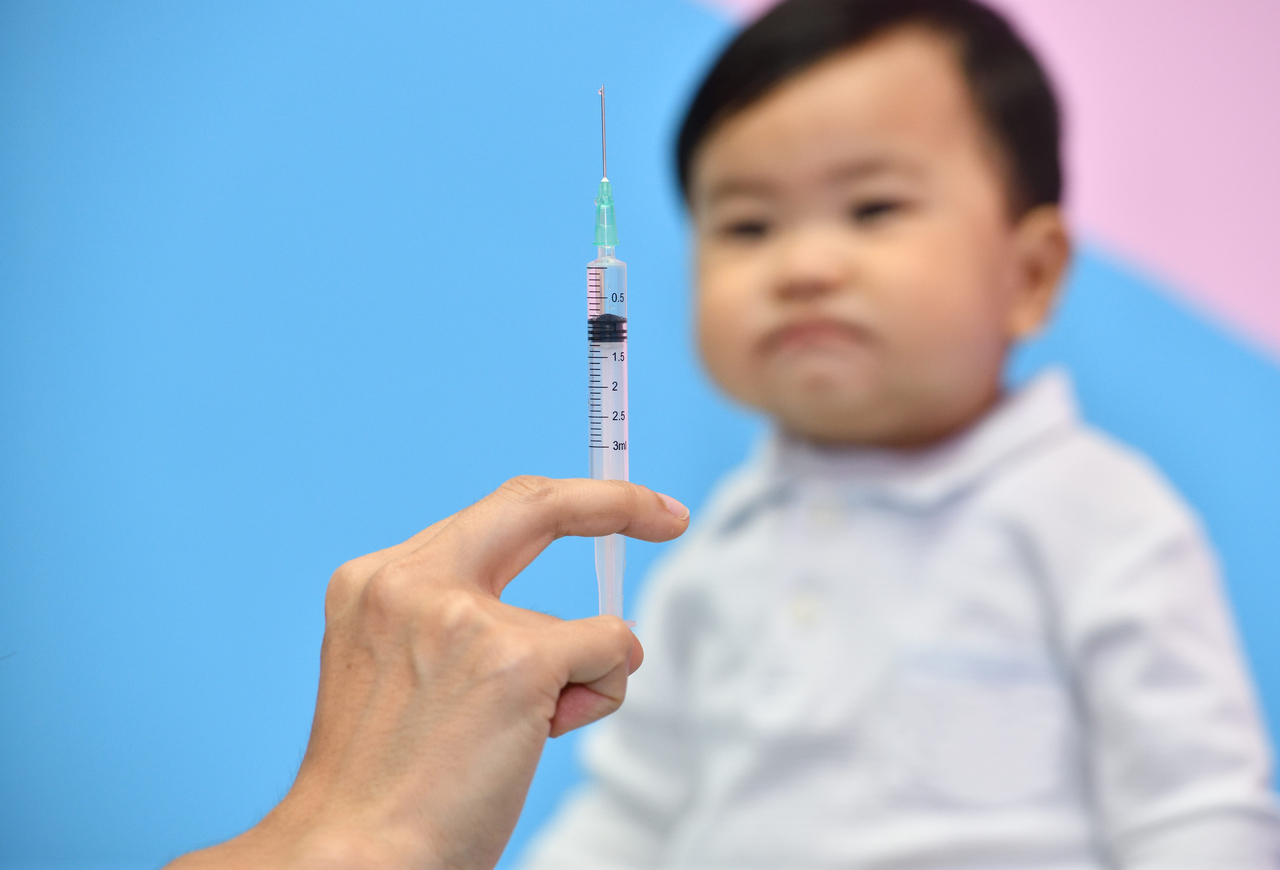
Cases of infant bleeding in the United States have jumped sharply as a growing number of parents refuse vitamin K shots for their newborns, a new study shows. Medical experts say the trend may be linked to the spread of distrust in vaccines and public health policy.
According to a study published in JAMA Pediatrics and reported by The Washington Post on Thursday (local time), cases of vitamin K deficiency bleeding among infants in the United States jumped last year.
The number of infants diagnosed with vitamin K deficiency bleeding rose from 189 in 2017 to 903 in 2024. Last year, the figure jumped to 1,764 — nearly double the previous year — marking the largest single-year increase since 2017. Cases had been rising in most years over that period.
Over the same period, the share of newborns receiving vitamin K shots declined. Researchers analyzed electronic medical records for more than 11 million infants across the United States and found the rate fell from 98 percent in 2017 to 95 percent in 2025.
"We have lived for generations without experiencing this kind of increase in complications," said Steven Woolf, a professor of family medicine and population health at Virginia Commonwealth University and a co-author of the study. "It is deeply troubling to watch the gains we have made in public health being reversed."
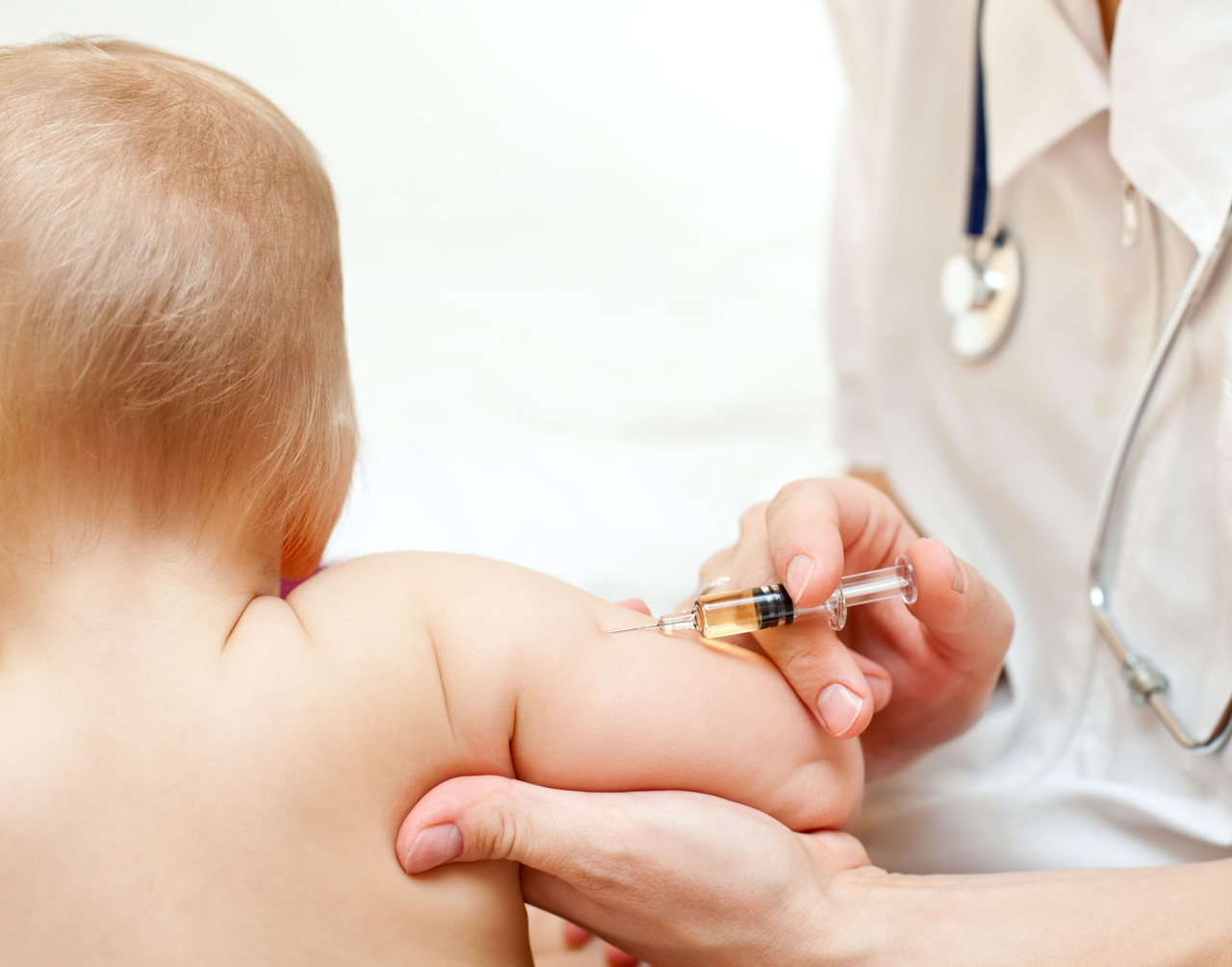
The study did not identify a direct cause of the rise in bleeding cases. However, researchers noted that the increase in vitamin K shot refusals and infant bleeding cases coincided with a broader erosion of trust in vaccines and public health guidance. They said the Donald Trump administration's recent moves to overhaul childhood vaccination schedules and weaken confidence in public health guidelines may have deepened that distrust.
Vitamin K shots, however, are not vaccines designed to prevent infectious disease. Medical professionals say some parents mistakenly treat vitamin K as a vaccine simply because it is administered by injection.
Woolf suggested that if parental refusals continue, health authorities should consider offering oral vitamin K as an alternative to limit harm. The research team said, however, that administering the vitamin K shot immediately after birth remains the most effective preventive measure.
Grace Jamieson, a spokesperson for the US Department of Health and Human Services, said in a statement that the Centers for Disease Control and Prevention recommends giving newborns a vitamin K shot within six hours of birth.
Vitamin K plays a critical role in blood clotting. Elizabeth Woolf, lead author of the study and an associate professor of pediatrics at Virginia Commonwealth University, said newborns do not have sufficient vitamin K at birth. Breast milk does not supply enough, and their immature digestive systems cannot produce adequate amounts in the gut.
Infants deficient in vitamin K face the risk of uncontrolled bleeding or stroke. "Twenty percent of babies who suffer a stroke from vitamin K deficiency die, and 40 percent of survivors experience permanent neurological problems," Woolf said. "The consequences can be devastating."
mokiya@heraldcorp.com