
Interacting with cats during stressful moments amplifies negative emotions, research shows
Dogs must be petted — not just present — to lower the body's stress response
Ten minutes of hands-on contact with pets reduces cortisol levels
Exploring what can happen to our dogs and cats — the systems and research behind the headlines, and cases from around the world.
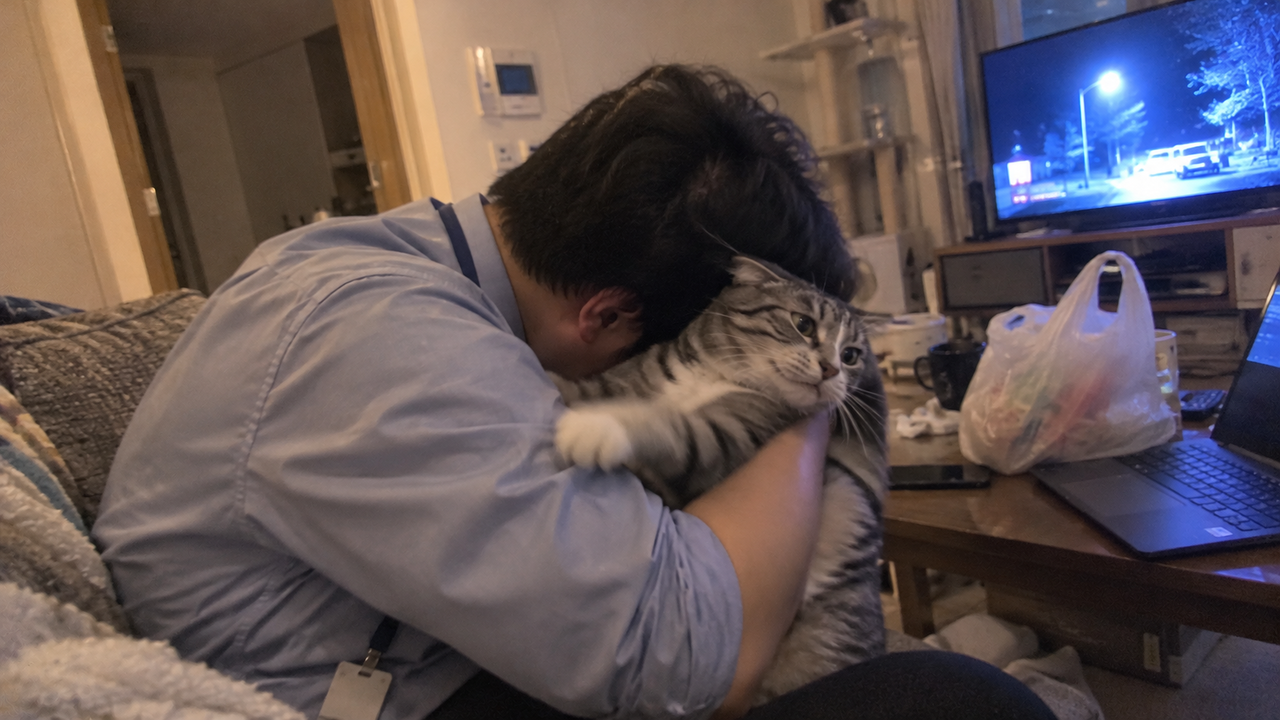
Does coming home after a rough day at work and hugging your cat actually melt the stress away?
A new study suggests that interacting with a cat at the very moment you are stressed may actually intensify negative emotions rather than ease them.
A joint research team from the Open University of the Netherlands, Maastricht University and the University of Basel in Switzerland recently published findings in the international journal Frontiers in Psychology, tracking the daily lives of 188 dog and cat owners in the Netherlands and Belgium.
Over five days, the researchers sent participants up to 10 smartphone notifications a day, asking about their mood, stress levels and whether they were interacting with their pet at that moment.
Each time a notification arrived, participants with a pet nearby rated their level of interaction on a scale of 1 to 7. Moments of pet interaction were associated with higher positive emotions and lower negative emotions — and there was no difference between dog and cat owners in this regard.
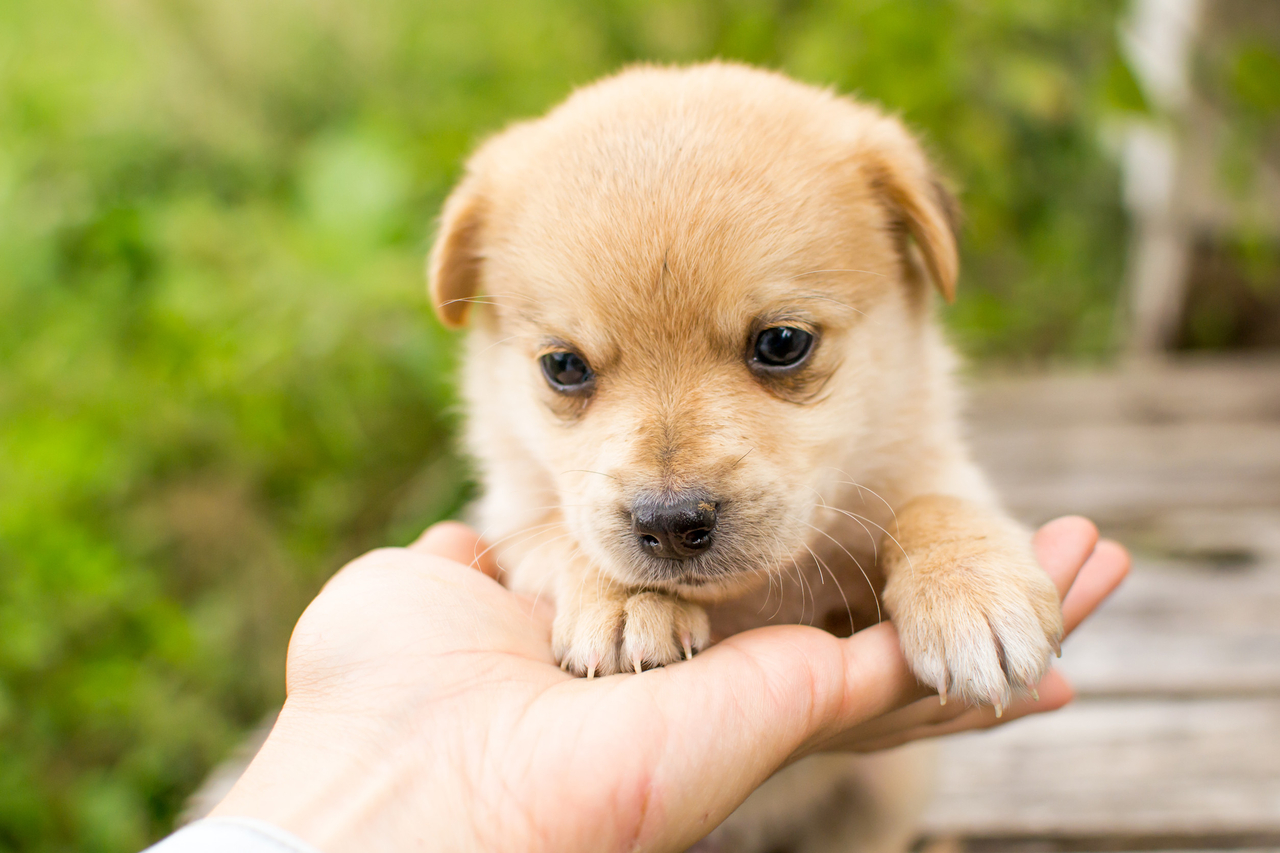
Interacting with a pet during a stressful moment, however, did not reduce stress itself. The research team said it found "no evidence for an overall stress-buffering effect of pet interaction."
More strikingly, owners who interacted with their cat during a stressful moment reported heightened negative emotions. The team said that "cat interaction amplified rather than weakened the association between stress and negative affect." No such effect was observed among dog owners.
Corresponding author Maike Janssens, a professor at the Open University of the Netherlands, told BBC Science Focus that while interacting with a pet does improve mood, "it doesn't seem like pets help us cope better in the actual moment of stress."

Why cats had the opposite effect
The research team pointed to a key difference in how cats and dogs tend to stay close to their owners.
The team said that "unlike dogs, cats demand little from their owners and often simply sit nearby, which may mean that interacting with a cat during a stressful moment further stimulates emotions rather than calming them."
The researchers also drew on studies of human-to-human comfort, noting that even well-intentioned support can heighten stress if it is not delivered in the way the recipient needs. They also cited research showing that interacting with a cat produces immediate changes in mood and heart rate.
Interactions with dogs, by contrast, often involve physical activity or play — such as walks or games. The team suggested that this kind of engagement may overlap with stressful moments in a fundamentally different way than cat interaction does.
Ultimately, the researchers interpreted their findings to mean that pets lift mood more directly than they shield against stress. The team concluded that "pets may more directly enhance positive affect and well-being."

Dogs must be petted — not just present — to reduce stress
A research team at the University of Innsbruck in Austria published a study this year in the international journal Biological Psychology finding that owners who physically petted their dog showed a reduced physiological stress response when facing a subsequent stressor.
The team had 64 owners complete a timed general-knowledge quiz and a backward-counting task, and subjected them to harsh criticism over a video call to induce stress. After each task, owners spent five minutes with their own dog — in one condition they were free to pet the animal as much as they liked, and in the other the dog was kept on a short leash so the owner could not touch it.
Owners in the petting condition spent an average of about 3 minutes and 12 seconds of the five minutes touching their dog. Even so, they did not recover from stress noticeably faster right away.

What did emerge was that owners who had petted their dog first showed a slower heart rate and higher heart rate variability during the second stress task. Heart rate variability — a measure of how flexibly the intervals between heartbeats fluctuate — is considered an indicator of a calmer physiological state when elevated.
Participants' self-reported stress levels, however, barely matched the cardiac and brainwave measurements. Their bodies were reacting less, but they themselves could not readily perceive the difference.
The research team told Psypost that "stroking a pet may reduce physiological reactivity to subsequent stress."
Dr. Monika Berntsen told Newsweek that "a brain that has just received the message 'you are safe' faces the next stressor in a less tense state."
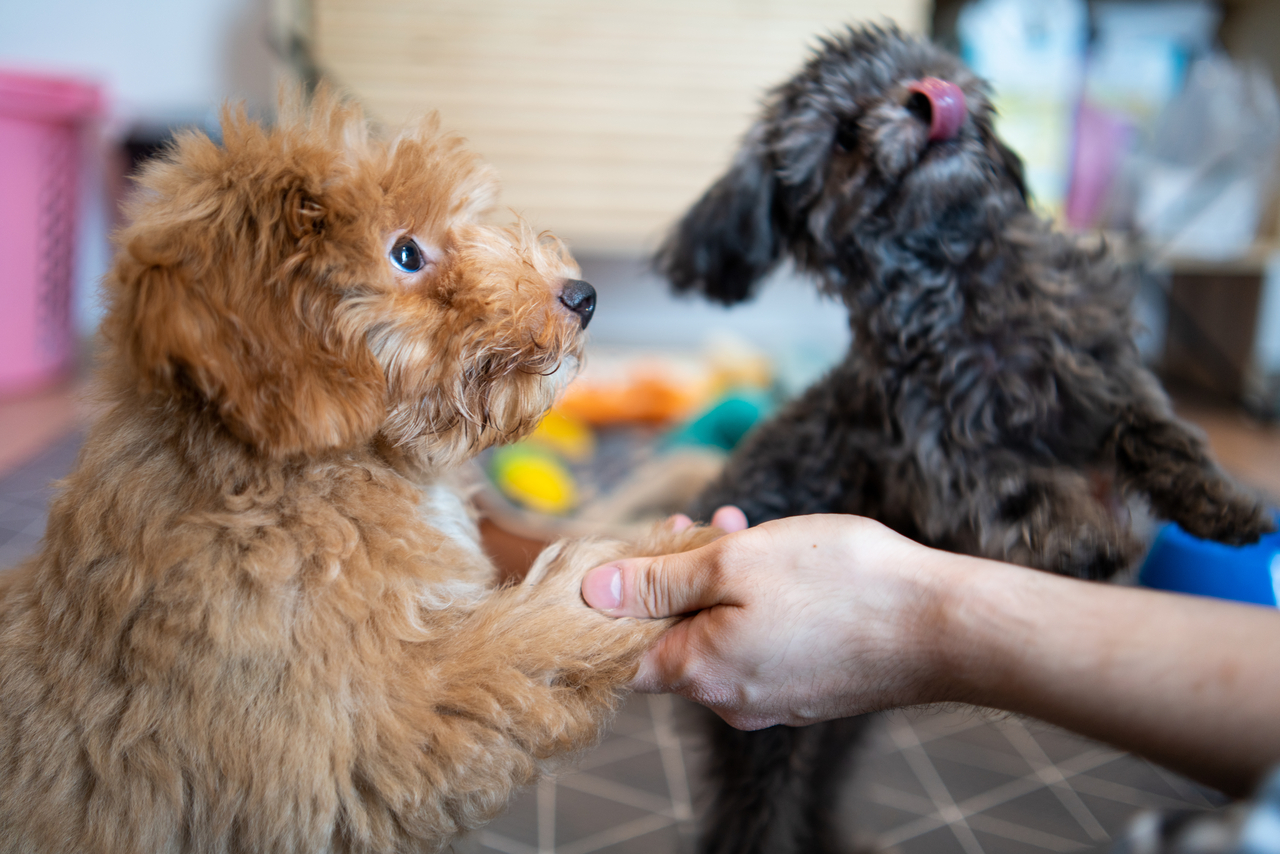
Ten minutes of petting lowers stress hormones
A research team at Washington State University published results in 2019 in the international journal AERA Open from an experiment involving 249 college students.
Students were randomly divided into four groups: one group spent 10 minutes directly petting and playing with dogs and cats, while the other three groups either watched other students interact with the animals, looked at photos of animals, or waited quietly.
Salivary cortisol — a stress hormone — was measured, and students who had directly petted the animals showed lower cortisol levels than all three other groups. Students who had only watched the animals in person did not show the same effect.
Patricia Pendry, a professor at Washington State University, said in a university press release that "even 10 minutes can have a significant impact," adding that "a reduction in cortisol can have substantial benefits for both physical and mental health over time."
The research team said in the paper that a 10-minute hands-on program of petting dogs and cats provided a "momentary stress relief" effect.
dbsdn1110@heraldcorp.com





