![64세의 강경 보수파 정치인 다카이치 사나에가 일본 집권 자민당(LDP) 대표로 새 총리에 취임했다. 일본의 첫 여성 총리가 된 그는 전 영국 총리 마거릿 대처를 존경하는 것으로 알려졌다. [로이터]](https://wimg.heraldcorp.com/news/cms/2025/11/12/news-p.v1.20251107.ecf5970132324947b6aa0f97698499a6_P1.jpg)

지난달 21일 다카이치 사나에가 일본의 제104대 총리이자 첫 여성 지도자로 취임했다. 다카이치 총리는 정치자금 스캔들로 인해 지지율이 하락하고, 주요 선거에서 잇따른 역사적 패배를 겪은 자민당(Liberal Democratic Party) 소속이다. 아베 신조 전 총리의 측근으로 명확한 보수 정책 노선을 견지해온 그녀는 약화한 당의 지지와 의회 내 정치력을 회복할 것으로 기대되고 있다. 일본 최초의 여성 총리에 대한 기대감은 여론의 순풍이 되어, 최근 총리 중 가장 높은 내각 지지율로 이어졌다.
경제정책 면에서 다카이치 총리는 아베 전 총리의 정책인 ‘아베노믹스(Abenomics)’로 회귀하겠다고 약속했다. 이는 디플레이션 탈피를 목표로 한 공격적 통화 완화와 재정 지출 중심의 정책이다. 그녀는 물가 상승과 경제 침체 문제를 해결하기 위해 적극적인 재정지출을 통한 다양한 경제 대책을 발표하며 일본 경제의 회복을 최우선 과제로 삼았다. 현재 일본에서는 물가 상승과 정체된 노동소득이 국민의 일상에 직접적인 영향을 미치는 가장 중요한 정책 과제다. 그녀의 재정 확장에 대한 명확한 의지는 지지층을 넓히는 요인으로 작용했다.
주식시장은 새로운 총리의 단호한 정책 기조와 높은 지지율을 환영했다. 이로 인해 주가는 크게 상승했다. 2025년 10월 27일 일본의 주요 주가지수인 닛케이 평균은 사상 처음으로 5만 엔을 돌파했다. 9월 초 이시바 전 총리가 사임을 발표했을 때 지수는 약 4만3000엔 수준이었다. 따라서 50일간 약 17% 상승한 셈이다. 다만 변동성은 여전히 크다. 새 총리의 적극적 재정정책은 주식시장에서는 투자 기대를 높였지만, 외환시장에서는 엔화 약세를 초래했다. 같은 기간 엔·달러 환율은 약 5% 하락했다. 경기 부양에 대한 기대에도 불구하고 재정적자 확대와 장기 저금리에 대한 우려가 “일본 매도(sell Japan)” 흐름을 부추겼다.
일본의 정부부채 비율은 2020년 정점을 찍은 후 점차 하락하고 있다. 그러나 여전히 GDP 대비 200%를 넘는다. 선진국 중 가장 높은 수준이다. 세수가 크게 증가한 2025회계연도 초기 예산에서도 중앙정부 일반회계의 약 25%는 여전히 국채 발행에 의존하고 있다. 고령화로 인한 사회보장비 증가에 더해, 장기금리 상승으로 국채 이자 지급 부담도 최근 크게 늘었다. 사회보장과 국채 이자 상환이 중앙정부 총지출의 약 60%를 차지하는 현실에서, 재정건전화 목표 달성에는 여전히 많은 과제가 남아 있다. 추가적인 재정지출 확대는 정부 부채의 지속 가능성을 위협할 수 있다.
재정적자 확대는 단기적으로 경제를 자극하고 경제활동을 촉진할 수 있다. 그 결과 세금 감면과 지출 확대를 주장하는 정치인들은 종종 대중적 인기를 얻는다. 다카이치 총리의 경제정책 역시 산업별 보조금 확대와 휘발유세 인하 같은 감세정책, 그리고 경제안보와 국가 회복력을 강화하기 위한 공공투자 확대를 포함하고 있다.
특히 최근 지정학적 환경 변화를 고려해 올해 안에 국방비를 GDP의 2% 수준으로 늘리겠다는 방침도 제시했다. 다카이치 총리는 재정 확대가 국민소득 증가와 소비심리 개선, 기업이익 증대로 이어져 세율 인상 없이 세수를 늘릴 것이라고 강조한다. 하지만, 이 편리한 선순환 논리는 확실한 경제이론적 근거를 갖지 못했고 구체적인 실현 계획도 제시되지 않았다.

세수 증가가 수반되지 않은 재정확대는 정부부채를 더 늘리고, 세대 간 부담 불평등을 초래할 수 있다.
급속한 고령화와 저출산 속에서 의료, 간병, 연금 등 사회보험 부담은 최근 몇 년간 꾸준히 증가해왔다. 최근 심각한 인플레이션과 정체된 임금이 이런 상황을 더욱 악화시켰다. 명목임금은 상승했지만 물가가 더 빠르게 오르면서 실질임금은 하락했고, 많은 가계가 압박을 받고 있다. 실질임금은 2024년까지 3년 연속 마이너스를 기록했다. 2025년에도 상황은 여전히 어렵다. 이런 환경 속에서 젊은 세대와 근로 세대의 불만과 미래에 대한 불안이 커지고 있다. 하지만 그렇다고 재정적자를 늘려 그 부담을 미래 세대에 넘기는 것은 정당화될 수 없다.
이미 여러 선진국에서 나타난 사회적 분열이 일본에서도 확산하고 있다. 최근 선거에서 고령층은 기존 정당을, 젊은층과 근로세대는 감세와 민족주의를 내세운 신흥정당을 지지하는 경향이 뚜렷했다. 물가 상승과 실질임금 정체 속에서 세금과 사회보험료에 대한 불만이 높아지며 감세정책이 지지를 얻고 있다.
최근 도쿄 가스미가세키 재무성 앞에서는 매주 금요일 “재무성 해체 시위”가 열리고 있다. 이는 재정건전성을 강조하는 재무성의 정책 방향에 대한 항의로, “열심히 일해도 돈이 모이지 않는다”는 국민의 좌절감이 표출된 것이다.
특히 “경제는 일본인이 운영해야 한다”는 구호를 내세운 찬성당(賛成党, Sansei Party)은 젊은층과 근로세대 사이에서 지지세를 빠르게 확대하고 있다. 이들은 미숙련 외국인 노동자의 유입 제한과 영주권, 가족 재결합 요건 강화 등 이민제도 전면 개편을 주장한다. 이러한 주장은 일본의 민족주의적 정서를 자극하며 SNS 접근성과 거리 연설 참석자 수를 급격히 늘렸다. 기존 정치권이 국민의 불만에 진지하게 귀 기울이지 않는다는 인식이 확산되면서, 시민들은 기존 정당에 대한 불신을 키우고 있다. 동시에 서민의 일상과 생활 문제에 초점을 맞춘 신흥정당들에 대한 기대도 커지고 있다.
그러나 이러한 신흥정당의 정책들은 일본의 근본적 경제문제를 해결하지 못한다. 정체된 임금 속에서 감세와 보조금 확대는 단기적으로 가처분소득을 늘릴 수 있지만, 그 재원은 결국 누군가 부담해야 한다. 신흥정당은 재정확대의 재원에 대해 명확히 밝히지 않는다. 재정적자가 계속 누적된다면 그 부담은 결국 젊은 세대와 근로 세대가 지게 될 것이다.
또한 일부 정당들이 내세우는 “인구가 줄어도 사회는 유지될 수 있다”는 주장은 현실적이지 않다. 이미 일본은 여러 산업 분야에서 심각한 인력 부족을 겪고 있으며, 급격한 저출산과 고령화로 노동가능인구가 빠르게 감소하고 있다. 노동절약형 기술 발전이 일부 문제를 완화할 수 있지만, 심각한 인력난을 근본적으로 해결하기에는 한계가 있다. 거시적으로 보았을 때 외국인 노동자 수용 확대는 피할 수 없는 과제다.
물가 상승과 실질임금 정체로 인해 국민들은 엄격한 재정긴축보다는 지출 확대를 선호하고 있다. 그러나 무제한적 재정확대는 미래 세대에 부담을 전가한다. 또한 일본은 역사적으로 외국인 노동자 비율이 낮은 나라였던 만큼, 최근 외국인 인구의 빠른 증가에 대한 불안도 커지고 있다. 일본 사회의 분열은 생활 불만, 인구 구조 변화, 세대 간 격차, 정치 불신, 그리고 미디어 환경 변화 등 복합적 요인이 얽혀 나타나고 있다. 그러나 불만과 불안을 확대하는 것으로는 근본적인 문제를 해결할 수 없다. 이러한 문제를 해결하기 위해서는 일정한 비용과 희생을 감수해야 한다.
다카이치 총리는 일본이 마주한 이러한 “불편한 진실”을 인정해야 한다. 재정확대의 단기적 인기에 안주하지 않고, 지속가능한 경제 모델을 제시함으로써 사회의 추가적 분열을 막아야 한다. 그것이 일본의 미래 세대에 대한 진정한 책임일 것이다.
![The 64-year-old hardline conservative Sanae Takaichi, leader of Japan’s ruling Liberal Democratic Party (LDP), has become the country’s new prime minister. Known for her admiration of former British PM Margaret Thatcher, Takaichi is also a protege of the late Shinzo Abe, who was assassinated in 2022. [REUTERS]](https://wimg.heraldcorp.com/news/cms/2025/11/12/news-p.v1.20251112.064cfd673a9c4caa981d959198242221_P1.jpg)
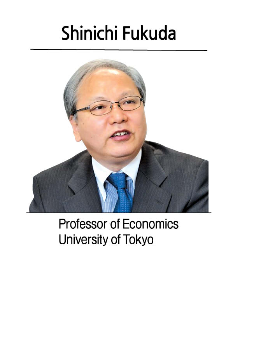
Our Hopes for the New Prime Minister in Japan
On October 21, 2025, Ms. Sanae Takaichi became Japan‘s 104th prime minister and the country’s first female leader. Ms. Takaichi is a member of the Liberal Democratic Party, which has recently lost public support due to political funding scandals and has suffered successive historic defeats in major elections. Ms. Takaichi, who served as a close aide to former Prime Minister Shinzo Abe and has clearly articulated conservative policy stances, is expected to rebuild the party‘s waning support and political strength in parliament. Expectations surrounding the first female prime minister also provided tailwinds, resulting in the highest approval rating for any recent prime minister in the cabinet.
In terms of economic policy, she has pledged to return to former Prime Minister Abe‘s policy, “Abenomics,” which centers on aggressive monetary easing and fiscal stimulus to overcome a deflationary economy. She has prioritized addressing the high price increases and reviving the Japanese economy by announcing various economic measures through proactive fiscal spending. In Japan today, rising prices and stagnating labor income are some of the most critical policy issues that directly affect people’s daily lives. Her clear commitment to fiscal expansion has broadened her support.
The stock market welcomed the new prime minister‘s resolute policy stance and high approval ratings, which caused stock prices to rise significantly. On October 27, 2025 the Nikkei stock average, a key stock price indicator in Japan, surpassed the 50,000-yen mark for the first time. In early September, when the former Prime Minister Ishiba announced his resignation, it was approximately 43,000 yen. Thus, the index increased by about 17% in 50 days, though it remains highly volatile. While the new prime minister’s proactive fiscal policy has greatly inflated investor expectations in the stock market, it has also caused the Japanese yen to significantly weaken in the foreign exchange market. During the same period, the yen-dollar exchange rate fell by about 5%. Despite hope of reviving Japan’s sluggish economy, concerns over expanding fiscal deficits, as well as prolonged low interest rates, have fueled a “sell Japan” trend.
Although Japan‘s government debt-to-GDP ratio has gradually declined since peaking in 2020, it remains well above 200%, the worst among advanced nations. Even in the initial budget for fiscal year 2025, which incorporated a significant increase in tax revenue, the central government’s general account still relied heavily on bond financing, with debt dependency at approximately 25%. In addition to rising social security costs due to an aging population, interest payments on government bonds have increased significantly in recent years owing to rising long-term interest rates. With social security and bond-servicing costs accounting for nearly 60% of total central government expenditure, many challenges remain in achieving fiscal consolidation targets. Further expansion in fiscal spending jeopardizes government debt sustainability.
Expanding fiscal deficits may temporarily stimulate the economy and encourage economic activity. Consequently, politicians calling for tax cuts and increased spending are often popular among citizens. Prime Minister Takaichi’s economic policy outlined plans to expand subsidies for various industries and implement tax cuts such as reductions in gasoline taxes. A policy to increase public investment in economic security and national resilience was also proposed. Notably, in light of recent geopolitical changes, the policy pledged to increase defense spending to 2% of the GDP within this fiscal year. Prime Minister Takaichi emphasizes that expanding the fiscal policy will increase national income, improve consumer sentiment, and boost corporate profits, thereby increasing tax revenue without raising tax rates. However, this convenient virtuous cycle lacks the support of a solid economic theory, and no concrete roadmap has been presented to achieve it.
Without a significant increase in tax revenue, aggressive fiscal spending leads to an increase in government debt, resulting in serious intergenerational inequality in burden sharing.
Amid a rapidly aging society with declining birth rates, the social insurance burden on working generations has steadily increased in recent years across healthcare, nursing care, and pensions.
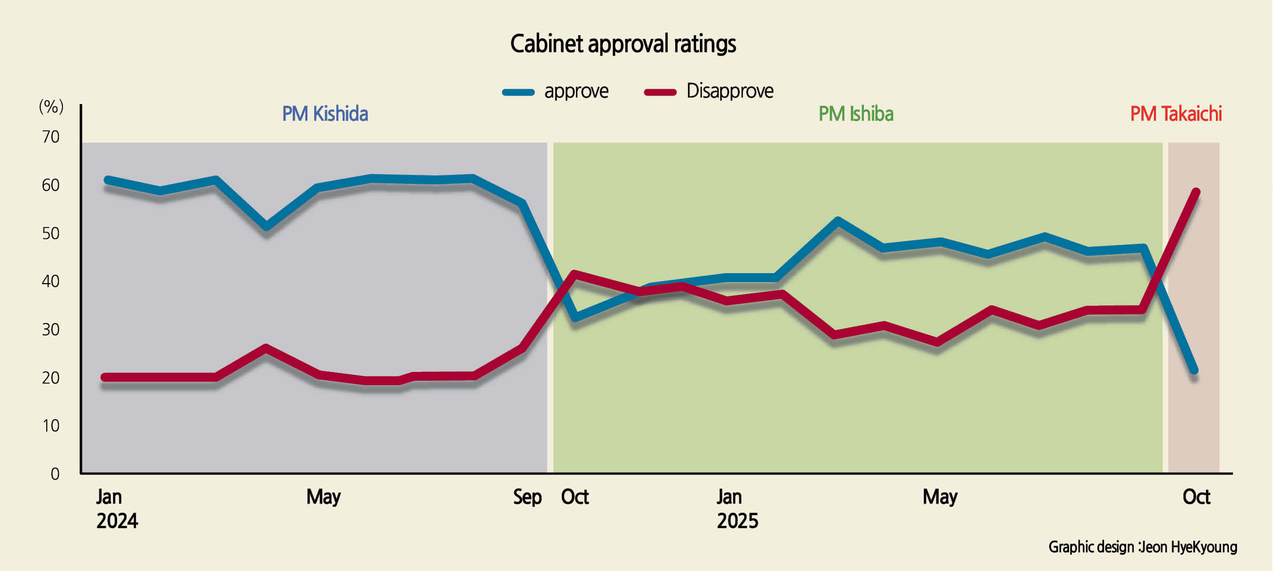
Recently, severe inflation and stagnant wages have exacerbated this situation. Although nominal wages have increased, inflation has grown faster, causing real wages to decline and exerting pressure on many households. Real wages have been negative for three consecutive years through 2024, and the situation remains severe in 2025 as well. Under these circumstances, it is only natural that dissatisfaction and anxiety about the future are growing among the young and working-age population. However, this does not justify increasing the fiscal deficit and passing the bill onto future generations.
A growing concern is that social divisions that have already been pronounced in many developed nations are spreading to Japan. In recent elections, while older generations largely supported established parties, younger and working-age generations strongly backed emerging parties that advocate tax cuts and nationalist policies. Strong support for tax cuts reflects dissatisfaction with heavy taxes and social insurance premiums amid rising prices and stagnant real wages. Recently, “protests to dismantle the Ministry of Finance” have been held every Friday evening in front of the Ministry in Kasumigaseki, Tokyo. These protests are directed at the Ministry‘s emphasis on fiscal discipline. The protests reflect the frustration of people who feel that “even by working hard, money just doesn‘t accumulate” and are directed at the Ministry of Finance, a powerful administrative body in Japan.
Xenophobic arguments put forth by new political parties are rapidly gaining support, particularly among young and working-age populations. The Sansei Party, whose basic policy is “We want our economy to be run by the Japanese people,” has significantly expanded its support. The party advocates a fundamental overhaul of the immigration system, including limiting the inflows of unskilled foreign workers and tightening the conditions for permanent residency and family reunification for foreign workers. This stance appeals to Japanese national sentiment, increasing the party‘s social media access and drawing large crowds to street speeches. Young and working-age generations distrust established parties that do not listen to their concerns seriously. Concurrently, expectations are rising from emerging parties championing policies focused on the daily lives of ordinary citizens.
However, the policies advocated by the new parties will not solve Japan‘s underlying economic problems. Amid stagnant wages, tax cuts and subsidy payments will certainly increase after-tax income temporarily. Ultimately, however, someone must bear the costs of these fiscal expansions.
Emerging parties avoid discussing where the money for these costs will come from. They ignore the inconvenient truth that if fiscal deficits continue to grow, their supporters-the young and working-age generations-will ultimately bear the burden.
Regarding anti-foreigner sentiment, emerging parties argue that our society can functionadequately even if the population continues to decline substantially. However, given the severe labor shortages already occurring across various occupations, this claim is not realistic. Due to the rapid decline in the birthrate and the aging population, it is crucial to implement fundamental countermeasures to address the significant reduction in the working-age population. Labor-saving technological advances can partly help solve this problem. However, they are insufficient to resolve serious labor shortages. From a macroscopic perspective, expanding the acceptance of foreign workers is unavoidable.
With soaring prices and stagnating real wages, it is difficult to gain public support for strict fiscal consolidation, even though unrestricted fiscal expansion passes the burden onto future generations.
Many people also feel uneasy about the rapidly increasing number of foreign workers in Japan, a country whose historically low proportion of foreign workers has been exceptional among developed nations. Japan’s growing social divisions stem from a variety of complex and intertwined factors.
These include deep dissatisfaction and anxiety about daily life, dramatic demographic change, generational divides, distrust of traditional politics, and the advent of new media. However, amplifying dissatisfaction and anxiety does not solve the underlying problems in Japan. We will not be able to solve these problems without paying temporary costs. The new prime minister must acknowledge these “inconvenient truths” and propose a reasonable economic model to prevent further social division.
bonsang@heraldcorp.com


![임영웅 51억에 산 집, 이젠 120억…하하·정동원도 사는 ‘강북판 타워팰리스’[초고가 주택 그들이 사는 세상]](https://wimg.heraldcorp.com/news/cms/2026/10/17/news-p.v1.20261016.f574b812626d48019a4018618b827c5b_T1.jpg?type=h&h=640)
![“샌디스크도 아니었다”…S&P500 상승률 1위, 7배 뛴 이 종목[서학개미 주식회사]](https://wimg.heraldcorp.com/news/cms/2026/10/15/news-p.v1.20251010.236fb20db3324e3bbd6f1dba7ec63bff_T1.jpg?type=h&h=240)
![[르포] 공장 들어서자 ‘밥 냄새’가 훅…쿠첸 ‘티타늄 밥솥’ 의 비밀[그 회사 어때?]](https://wimg.heraldcorp.com/news/cms/2026/10/16/news-p.v1.20260923.16e9b0f48f08469fa1014f2864f8e8fc_T1.jpg?type=h&h=240)
![장기금리와 그린스펀의 수수께끼…이번엔 뒤집혔다 [지안루카 베니그노]](https://wimg.heraldcorp.com/news/cms/2026/10/14/news-p.v1.20261012.37af49395c5e42388798ef9d8de6e08b_T1.jpg?type=h&h=240)